

TMJ and Headaches and Myofunctional Therapy
Why Work With Me?
Traditional in network physical therapy gives you 20 minutes with a therapist who has never treated a TMJ patient in their career. You’ll receive generic massage, stretches and be handed off to an aide. When things don’t get better, you’ll be labeled a difficult patient until you give up, tired of the repetitive appointments and copays adding up.
Having worked with this population for 18 years of has taught me these patients can recover. But you need sufficient time working with a therapist who know’s how to evaluate and treat these specialized areas.
I have worked with a large number of patients with TMJ pain, headaches since the beginning of my career. In one office my caseload was largely split between pelvic floor and TMJ patients.
A lifelong learner studying across multiple disciplines, I have moved past formulaic care. I look into all aspects of the patient contributing to a person’s TMJ pain including restrictions and dysfunction of the tongue.
I provide myofunctional therapy, and TMJ physical therapy reducing headaches and facial pain so that you can enjoy your life again. My goal is to empower both children and adults with the tools, knowledge, and confidence to actively manage their pain, breathing and improve quality of life.
When you experience pain in your jaw, teeth, or head, it can have a significant impact on your daily life, increasing stress and affecting your overall mood. Even simple activities like talking, eating, and spending time with family and friends can become exhausting or uncomfortable, leaving you feeling isolated and frustrated.
TMJ dysfunction or TMD (Temporomandibular Disorder) is often associated with headaches, facial pain, and muscle tension that can interfere with concentration, productivity, and sleep. Over time, these persistent symptoms can significantly reduce your quality of life, making it difficult to enjoy the activities you love.
Without proper treatment, these symptoms can worsen over time and limit your ability to perform daily activities. Whether your TMJ pain is related to injury, teeth grinding, stress, or muscle imbalance, my goal is to help you achieve lasting relief and return to the activities you enjoy.

Common Complaints
Jaw tenderness
Pain with eating
Limited mouth opening
Fatigue with talking and chewing
Ear, eye, or temple pain
Clicking sounds in the jaw joint
Ear pain or tinnitus
Headaches
Disturbed sleep
Dizziness and imbalance
Difficulty concentrating
Allergies, frequent ear infections,
Narrow palate and changes in bite or slow tooth eruption
What is Myofunctional Therapy?
When oral muscles are weak or poorly coordinated, the jaw joint forces itself to overcompensate. This constant extra strain is a common, hidden trigger for chronic jaw pain, clenching, and clicking.
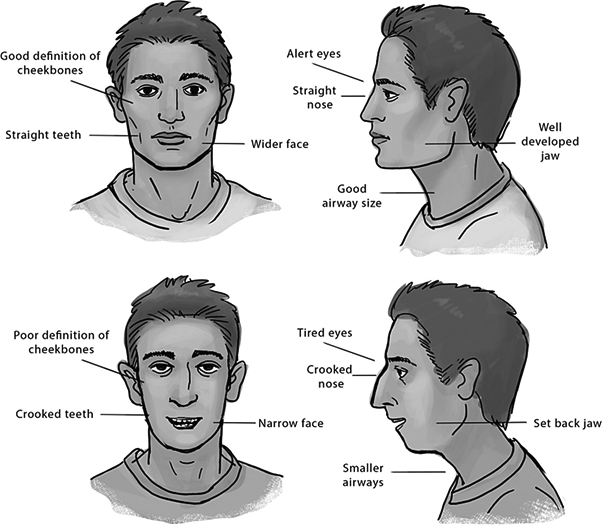
Myofunctional therapy is therapy specifically for the muscles of your tongue, lips, and cheeks. Because these facial muscles attach all around your jaw and neck, how they rest and move directly impacts your TMJ pain.
Myofunctional therapy uses simple, targeted exercises to break old habits and retrain your muscles to rest properly.
By teaching your tongue to support your upper jaw and encouraging nasal breathing, we eliminate the constant micro-strains on the TMJ.
Balanced muscle function is essential for long-term jaw comfort, easier swallowing, and preventing future flare-ups.
How Can I Help?
Specialized, one-on-one physical therapy for temporomandibular disorder, reducing pain, restoring function, and helping you eat, speak, and sleep comfortably again.
A thorough evaluation of your jaw, neck, tongue and posture
Effective hands-on treatment beginning in your very first session.
Soft tissue massage, joint mobilization and manual therapy can be helpful to address tender points reproducing head and neck pain.
Postural exercises are helpful to optimize TMJ alignment and minimize strain on the ligaments and disc.
Home exercises and self-care strategies to start using right away.
Joint mobilizations of the TMJ can reduce joint noises, improve mouth opening and reduce frequency of jaw locking.
A clear explanation of your diagnosis and the root cause of your pain.
Joint stabilization exercises are useful in providing more stability in the joint and minimizing progression of pain and dysfunction.
Myofunctional assessment and treatment of tongue restrictions, tongue strength and tongue range of motion is imperative to fully diagnose and treat the cause of TMJ disorders.
Home exercises and self-care strategies to start using right away.
Most patients experience relief and improvement within a few sessions.